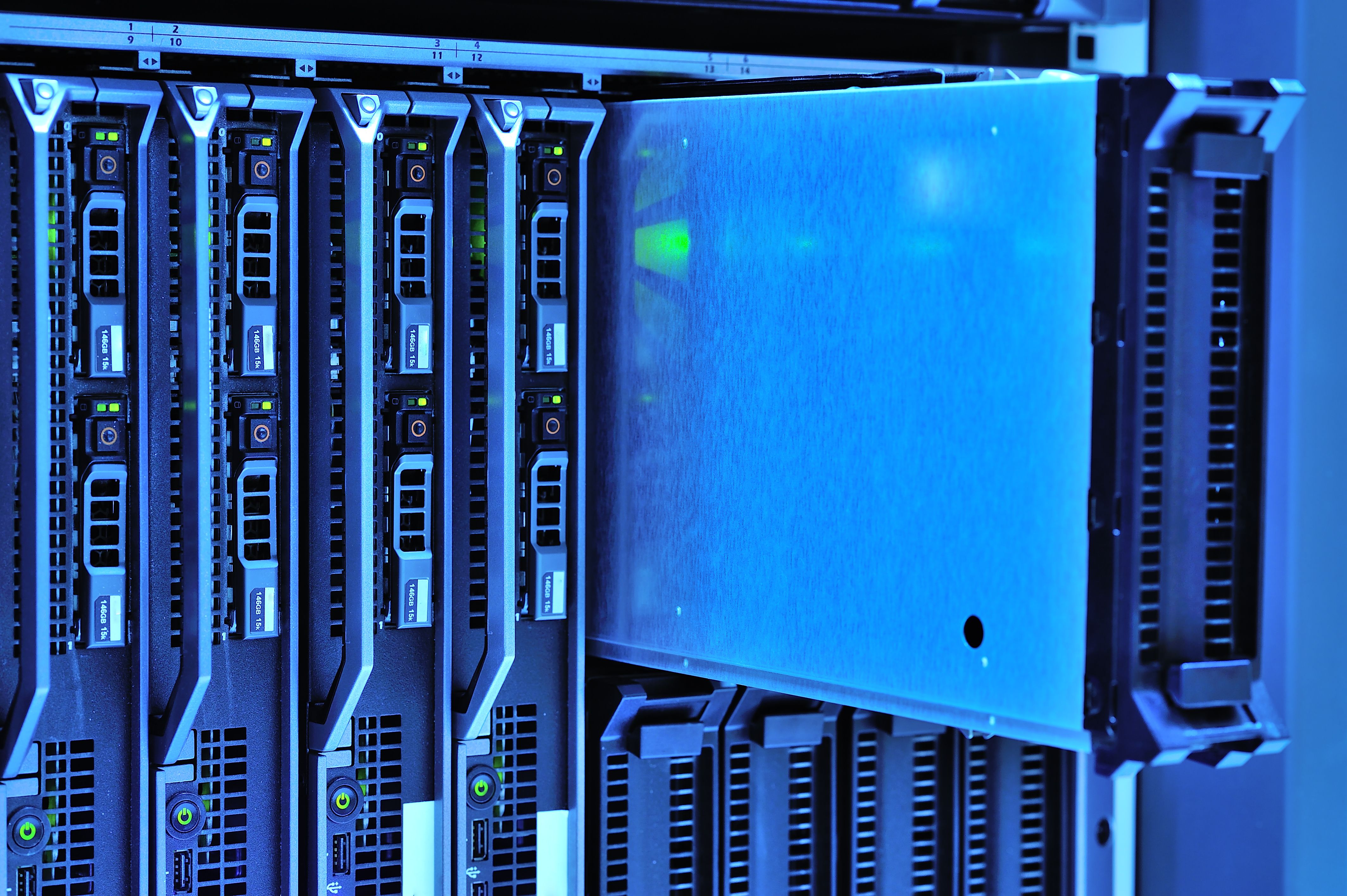
PowerStore Elite pushes storage architecture toward AI native infrastructure
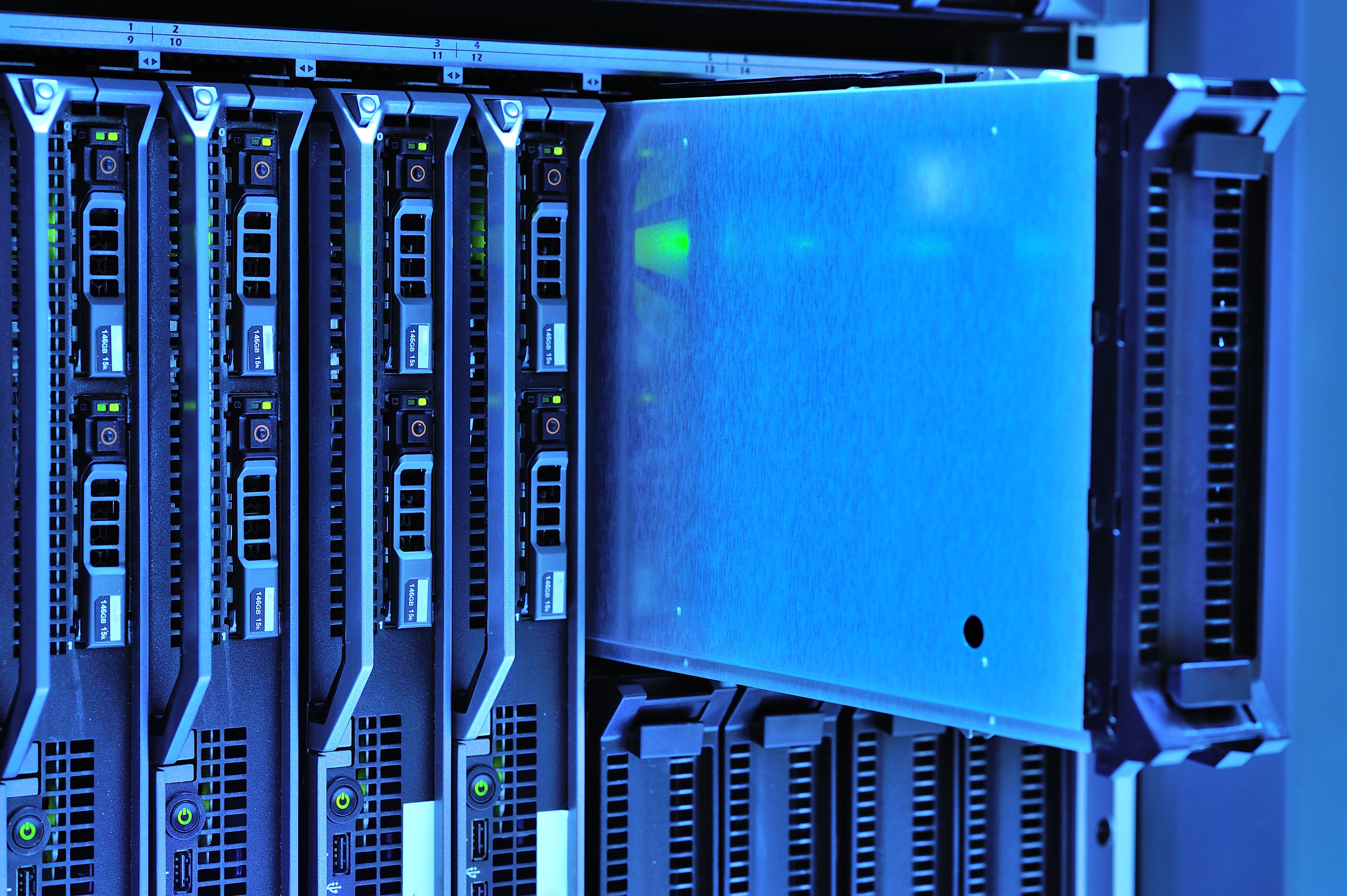
Dell Technologies has introduced PowerStore Elite, a refreshed enterprise storage platform designed to address higher-density workloads, AI-driven processing requirements, and continuous infrastructure modernisation in modern data centres. The system extends Dell’s unified storage approach, supporting block, file, virtual machine, and containerised workloads within a single architecture. PowerStore Elite is engineered for non-disruptive lifecycle evolution, enabling mixed-generation clustering and in-place upgrades to reduce migration overhead and eliminate downtime during scaling operations. Positioned for environments experiencing rapid data expansion and increased compute intensity from AI workloads, the platform emphasises performance scaling, storage efficiency, and operational automation as primary design goals. Architecture and performance improvements PowerStore Elite introduces a hardware refresh built around: • Intel Xeon Scalable processors • DDR5 memory architecture • PCIe Gen 5 interconnects • 200Gb RDMA-based node connectivity Dell states the platform delivers up to 3× performance and throughput improvements over prior-generation PowerStore systems, largely driven by increased CPU density, memory bandwidth, and network fabric enhancements. Storage media optimisation and efficiency The platform supports both TLC and QLC flash configurations, with software-defined optimisation layers that dynamically align workloads to cost- and performance-appropriate media tiers. This enables improved separation of performance-critical and capacity-optimised workloads without architectural fragmentation. Data efficiency is further enhanced through: • Expanded inline data reduction pipelines • Advanced compression algorithms • Improved deduplication efficiency Dell has also increased its effective data reduction guarantee to 6:1, reflecting a stronger emphasis on workload consolidation and flash cost optimisation. Observability and data services PowerStore Elite introduces enhanced I/O-level telemetry, exposing finer-grained performance metrics for workload analysis, latency profiling, and system optimisation. This data layer is intended to improve both real-time operational tuning and longer-term capacity planning. The telemetry and analytics stack also serves as a foundation for future inline security capabilities, including ransomware detection mechanisms integrated into the data path. AI-driven operations and automation AIOps capabilities are embedded into the management plane, with Dell claiming up to 95% reduction in manual administrative operations through automation of provisioning, monitoring, and optimisation tasks. AI-assisted functions include: • Predictive capacity forecasting • Performance anomaly detection • Automated workload balancing • Policy-driven optimisation A forthcoming Cyber Detect capability extends AI-based threat detection into storage workloads, enabling identification of anomalous encryption behaviour and supporting rapid recovery workflows. Scalability and system density PowerStore Elite is available in 1500, 5500, and 9500 models, scaling to 5.8PB of effective capacity in a 3U form factor. The architecture is designed for linear scaling of both performance and capacity through clustered expansion, while maintaining consistent management semantics across generations. Lifecycle and deployment model A key design principle is infrastructure continuity. Existing PowerStore environments can be extended through heterogeneous clustering, enabling incremental refresh cycles rather than full system replacement. Dell’s Lifecycle Extension programme supports this model with data-in-place upgrades and extended support frameworks. Availability PowerStore Elite is scheduled for global availability in July 2026, with the Cyber Detect feature expected in Q3 2026.