
GoTyme targets top 3 banking position as lending and digital payments surge
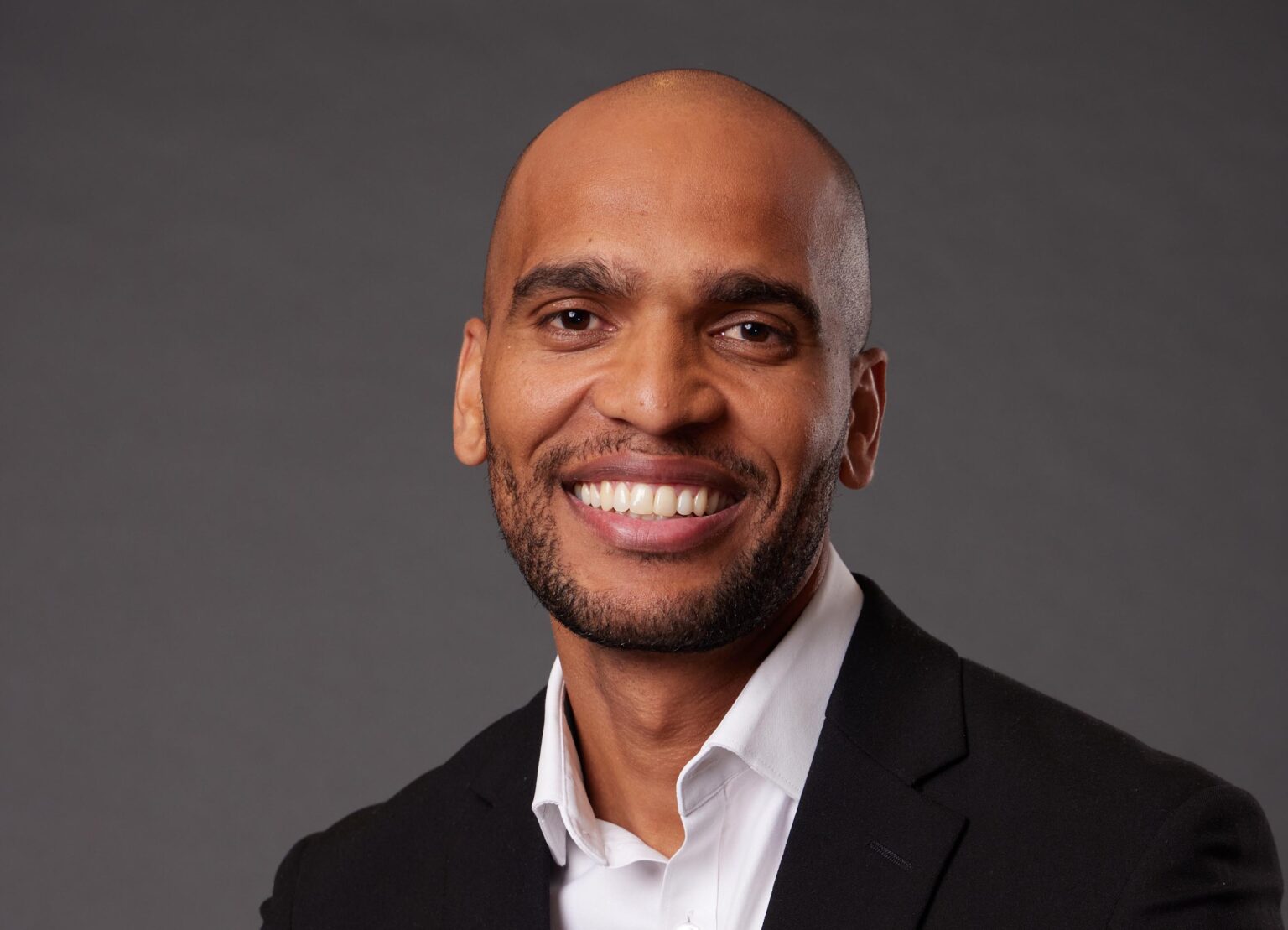
CEO Cheslyn Jacobs
The bank, formerly known as TymeBank, has grown its customer base to more than 13-million, with just over eight million monthly active users. Its latest results point to an expanding business, with net customer advances more than doubling over the past year and fee income rising sharply.
GoTyme reported a 25% increase in total income to R2.72bn, while net interest income rose 13% to R1.4bn. Net customer advances increased 126% to R5.08bn, and deposits grew 27% to R9.69bn.
Fee income rose 41%, reflecting increased customer activity across its digital banking services.
Speaking at the bank’s GoTyme. GoHuman. GoForward media briefing in Johannesburg on Thursday, CEO Cheslyn Jacobs said the breadth of the bank’s growth indicated that it was moving beyond its position as a digital challenger.
The bank expects to reach its top-three target during the first quarter of 2027, based on monthly active users.
Digital payments reshape customer behaviour
GoTyme’s growth has coincided with a shift towards digital transactions, following the migration of more than four million customers to its new banking application as part of its transition from the TymeBank brand.
PayShap adoption among its customers increased by more than 250% year-on-year, while almost 70% of payments made by customers are instant and free, according to the bank.
Jacobs said about 26% of South Africa’s PayShap cellphone payments originated from GoTyme accounts. The bank estimates that qualifying instant payments save its customers more than R150m annually in fees.
Spending through virtual cards rose 240% year-on-year, including growth of 65% in the latest quarter.
The figures suggest that customers are increasingly using the bank for digital payments rather than relying on cash withdrawals. Jacobs said ATM withdrawals had fallen from the bank’s third-most-used customer activity to sixth place over the past three months.
GoTyme has argued that free instant payments should become an industry standard rather than remain a competitive differentiator. The position places the bank among providers challenging traditional fee structures in retail banking.
The longer-term test will be whether increased transaction volumes translate into sustainable profitability as the bank expands its customer base and product offering.
Credit expansion brings new opportunities and risks
GoTyme plans to broaden its lending and payments offering in 2027, including the introduction of a credit card, an expanded MoreTyme buy-now-pay-later service and further personal lending through its partnership with Sanlam.
It is also developing a rewards proposition and exploring access to investment products and digital assets, subject to regulatory and licensing approvals.
The strategy would move the bank further into products that typically generate additional revenue but also introduce different operational and risk considerations.
The 126% increase in net customer advances to R5.08bn is a significant development in this regard. However, the bank did not disclose how much of the growth came from individual lending products or provide a detailed breakdown of credit impairments.
Those figures will become increasingly important as lending accounts for a greater share of the business. Rapid loan-book growth can support interest income, but the quality of that growth depends on underwriting standards, repayment performance and the cost of managing defaults.
Jacobs pointed to the limited growth in South Africa’s creditworthy consumer base over the past 15 years, highlighting the structural constraints facing lenders seeking to expand access to credit.
Physical presence remains part of the digital strategy
Despite its digital focus, GoTyme is investing in face-to-face customer support through a network of customer hubs in shopping centres.
The bank plans to have 140 hubs operating across South Africa by the end of 2026, complementing its digital channels and call centres.
Nolwazi Nzama, group executive for operations, said the bank’s approach was to combine self-service technology with access to human assistance when customers needed it.
The expansion follows a restructuring of its kiosk network after GoTyme removed kiosks from Pick n Pay stores and redirected its presence towards other high-traffic retail environments, including Boxer and TFG stores.
The hybrid model reflects a broader challenge for digital banks: scaling cost-efficient services while maintaining customer trust and providing support for more complex banking needs.
GoTyme moved from sixth to second place in the banking category of the latest Ask Afrika Orange Index, according to the bank.
Growth will need to translate into durable returns
GoTyme’s latest figures show that it has established a substantial customer base and is gaining traction in digital payments and lending. Its ambition to rank among the country’s three largest banks by active users would mark another stage in its expansion.
But customer numbers alone will not determine its long-term competitive position. The bank will also need to demonstrate that its growth can generate sustainable earnings, manage credit risk and support a broader range of financial products without undermining the affordability and convenience that have helped attract customers.
As GoTyme moves beyond everyday transactions and deposits, the quality of its lending book, the economics of its expanding service network and its ability to retain active customers will be central to the next phase of its growth.